OVB heat exchanger - 38kW for pool up to 40m3
The OVB 130 heat exchanger is designed for powerful and efficient heating of swimming pool water and hot tubs. Thanks to the use of stainless steel AISI 316, it offers high corrosion resistance and long service life even in demanding pool environments. It is suitable for use with gas boilers, heat pumps, and solar collectors and represents a reliable solution for indoor and outdoor pools with sand filtration.
Not suitable for saltwater pools!
| Parameter | Value |
|---|---|
| Heating capacity | 38 kW |
| Material | Stainless steel AISI 316 |
| Pool circuit connection | 1 1/2" female thread |
| Heating circuit connection | 3/4" female thread |
| Application | Swimming pools and hot tubs (chlorinated water) |
We always recommend sizing the heat exchanger for a slightly larger pool volume than the actual pool size. The OVB 130 model is suitable for pools up to approximately 40 m³ - but we recommend 15-25m3 pool, especially in installations with a large temperature difference between the heating circuit and pool water (e.g. 80 °C / 20 °C).


Pool specialist opinion – review
- + Very fast and efficient heating of larger pools and hot tubs (with correct flow rate)
- + AISI 316 stainless steel – high corrosion resistance in pool environments
- + Ideal for powerful heat sources (boilers, heat pumps, solar systems)
- + Stable performance and long service life with proper water chemistry
- − Requires strict adherence to correct pH/chlorine levels and recommended flow rates
- - NOT SUITABLE FOR SALTWATER POOLS – CHOOSE A TITANIUM HEAT EXCHANGER!
“OVB 130 is a high-performance heat exchanger designed for larger pools. With a properly adjusted by-pass, sufficient flow rate, and controlled water chemistry, it heats the pool very quickly and works reliably for many years. An ideal choice for pools around 30–40 m³.”
Poolservis team
OVB 130 heat exchanger – professional heating for larger pools without compromise
The OVB 130 heat exchanger is designed for high-performance heating of swimming pool water and hot tubs. With a heating capacity of 38 kW, it is intended primarily for medium and larger pools where fast heating and stable long-term operation are required.
It is most commonly used for pool heating with:
- gas boilers
- heat pumps
- solar collectors
Thanks to the use of stainless steel AISI 316, the exchanger offers high corrosion resistance and long service life even in demanding pool environments.
How the heat exchanger works
Inside the exchanger body there is a bundle of thin-walled tubes through which heating water flows (primary circuit). Pool water (secondary circuit) flows around these tubes. Heat is transferred through the tube walls, enabling very efficient energy transfer and rapid pool heating. Once the pool reaches the set temperature, the system switches off according to thermostat or automation control.
Why water quality is crucial
With higher-performance exchangers such as the OVB 130, water quality is absolutely critical. Regular pH control, correct and even chlorine dosing, and fully functional filtration significantly extend the service life of the exchanger and protect the entire pool system.
Operating conditions and recommendations (installer experience)
- Regularly check the water pH (ideally daily) and keep it within the recommended range.
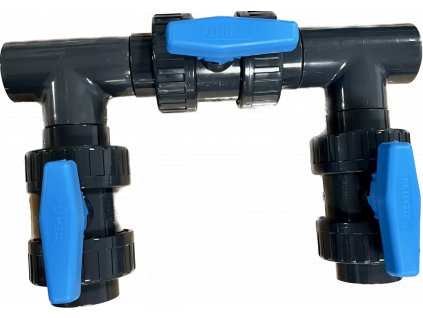
- If a by-pass is installed, adjust the valves to ensure the recommended flow rate through the exchanger – incorrect flow may cause corrosion or erosion.
- Keep the pool free of solid debris (leaves, grass, etc.), which degrade water quality and may increase pH.
Commissioning
Before start-up, check:
- All pressurized connections are tight and leak-free.
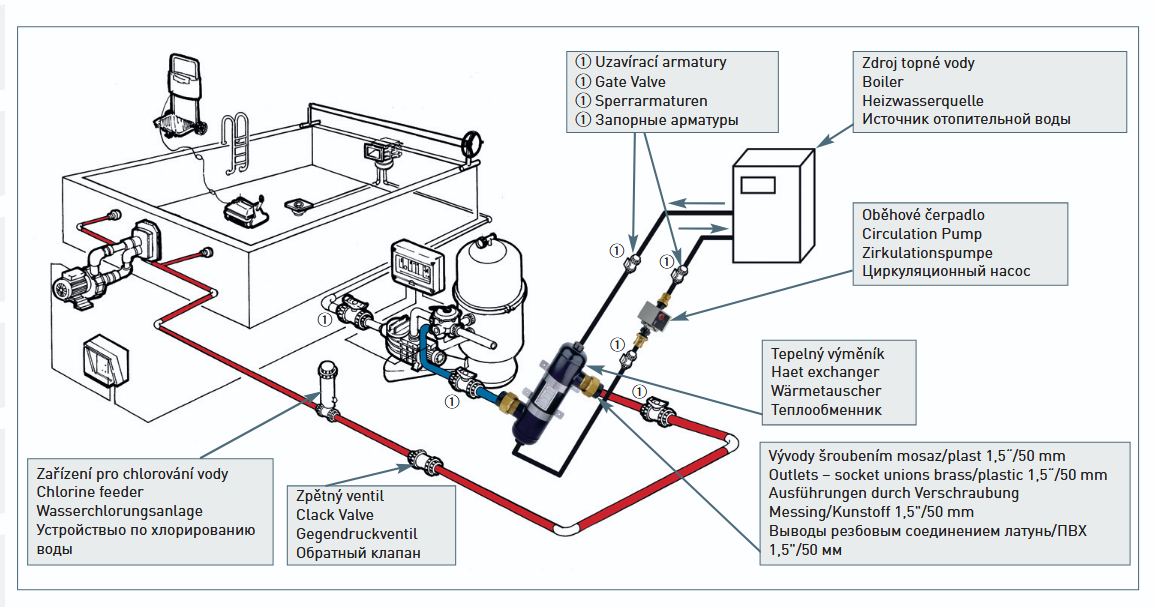
- The exchanger is properly mounted and connected according to the installation diagram.
- The heating circuit is filled and properly vented.
- Grounding is completed and residual current protection (30 mA RCD) is functional.
Start-up procedure:
- Start the filtration pump.
- Check circulation of pool water through the heat exchanger.
- Check filling and venting of the heating circuit.
- Switch on the residual current device (30 mA).
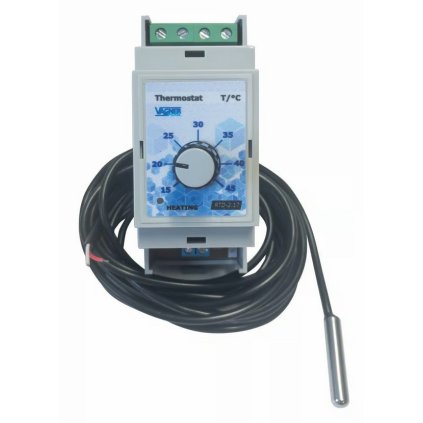
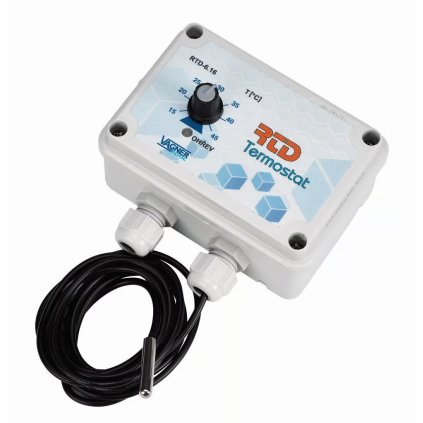
- Set the desired temperature on the thermostat (or automation).
- Verify correct operation of the control system for heating and filtration.
Conditions that must switch off heating
- Lowering the set temperature on the thermostat.
- Switching off filtration or closing a valve (loss of flow).
- Switching off the heating demand.
For safe operation, a thermostat and a flow switch are required. In case of flow loss, the flow switch shuts down heating to prevent overheating and deformation of piping. The thermostat prevents overheating of the pool above the desired temperature.
Important safety notice
Before performing any work on the circuit or electrical components, make sure the unit is disconnected from the power supply and the circuit is closed.
Connecting the OVB 130 heat exchanger to the filtration and heating circuits
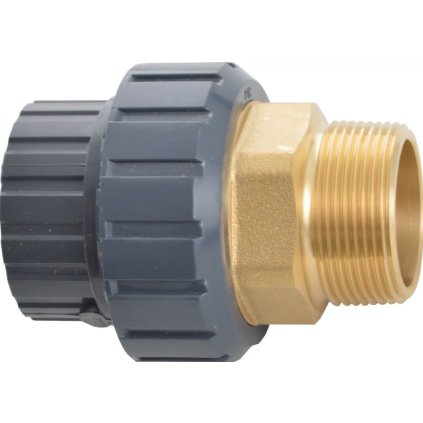
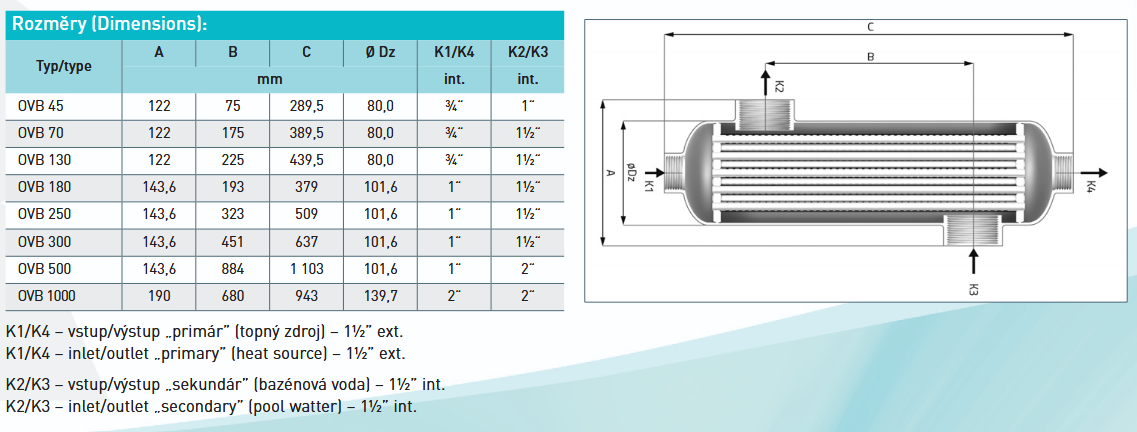
Secondary circuit (pool water): 1 1/2" female thread. It is recommended to use a brass fitting with a PVC tail, into which a 50 mm pipe is glued. Do not use PVC fittings directly on the exchanger thread – high temperatures may cause loosening and water leakage.
Primary circuit (heating water): 3/4" female thread.
Use the supplied mounting brackets to fix the exchanger to the wall.
Package contents
- Heat exchanger body
- 2× wall mounting brackets
- 2× clamps
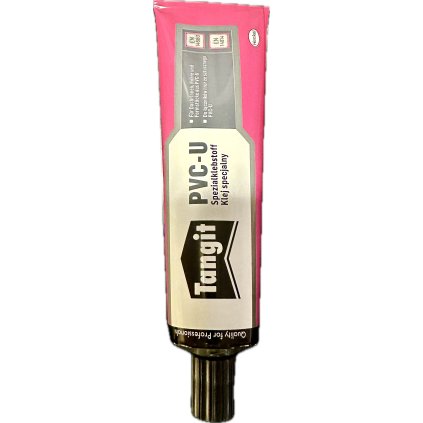
Recommended additional products for installation
Technical data – OVB 130 (38 kW)
| Parameter | Value |
|---|---|
| Heating capacity | 38 kW (temperature gradient 90/70 °C) |
| Pool circuit connection | 1 1/2" female thread |
| Pool water flow rate | approx. 18–20 m³/h |
| Pool water pressure loss | approx. 14–16 kPa |
| Heating circuit connection | 3/4" female thread |
| Maximum pressure | 1.72 MPa |
| Maximum heating water temperature | 208 °C |
| Heating water flow rate | approx. 45–50 l/min |
| Heating water pressure loss | approx. 12–14 kPa |
| Heat exchange surface area | approx. 0.50 m² |
Pool installer tip: most common installation mistakes
- Insufficient flow rate – OVB 130 requires adequate flow to deliver full performance.
- PVC fittings directly on the exchanger thread – may loosen at higher temperatures. Always use brass fittings.
- Local chemical dosing – high chlorine concentration in one spot may damage the exchanger.
- Neglected filtration – sand and debris can cause erosion of the exchanger tubes.

Who is the OVB 130 best suited for
The OVB 130 is recommended for swimming pools with a volume of approximately 30–40 m³, where high performance, fast heating, and long-term reliable operation are required.
Additional parameters
| Category: | Heat Exchangers |
|---|---|
| Weight: | 3 kg |
| Značka: | Vagnerpool |
Be the first who will post an article to this item!
Be the first who will post an article to this item!